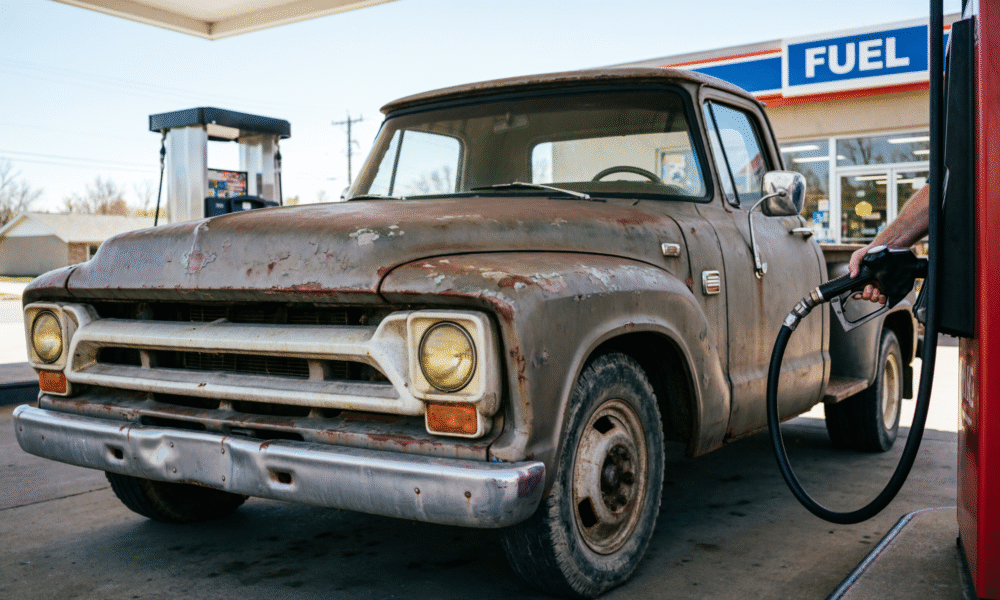

If you’ve winced at the price of gasoline recently, you’re not alone. Global fuel prices are on a relentless climb, driven by geopolitical tensions, refining constraints, and volatile markets. But the ripple effects of this surge extend far beyond the highway. An even more pervasive crisis is brewing, one that touches nearly every product on the shelf. The same fossil fuels that power our vehicles are the essential building blocks for plastic. As oil and gas prices soar, the cost of producing plastic is set to skyrocket, threatening to inflate the price of everything from food packaging and medical devices to your smartphone and car parts.
This isn’t merely a supply chain hiccup; it’s a fundamental exposure of our deep-seated dependency on petrochemicals. To understand the impending plastic price shock, we must follow the molecule from the wellhead to the warehouse shelf, examining the fragile links in a chain that binds our economy to fossil fuels.
From Barrel to Bottle: The Inseparable Chemistry of Fuel and Plastic
Crude oil and natural gas are not monolithic products. When they enter a refinery or a processing plant, they are cracked and distilled into a spectrum of valuable components. Lighter fractions become gasoline, diesel, and jet fuel. But another critical stream emerges: naphtha and natural gas liquids (NGLs) like ethane. These are the unsung heroes—and soon, the potential villains—of the chemical world.
Through processes like steam cracking, these feedstocks are transformed into the foundational molecules of modern life: ethylene, propylene, and benzene. These are the monomers that, like Lego bricks, are polymerized to create the vast family of plastics—polyethylene (PE) for bags and bottles, polypropylene (PP) for containers and car interiors, and polystyrene (PS) for packaging and insulation.
The key takeaway is stark: plastic production is not a byproduct of fuel refining; it is a co-product competing for the same raw materials. When demand for gasoline is high and oil prices spike, the cost of naphtha follows. When geopolitical events squeeze natural gas supplies (as seen with the war in Ukraine), the price of ethane becomes volatile. The plastic industry is directly tethered to these energy market fluctuations, with little room to escape.
The Perfect Storm: Geopolitics, Demand, and a Fragile Supply Chain
Several converging factors are turning this longstanding dependency into an acute vulnerability.
The Feedstock Squeeze
The shale boom in the United States previously promised a long era of cheap ethane, fueling a massive build-out of new plastic production capacity. However, the global gas crunch has upended that calculus. With natural gas prices soaring internationally, the relative cost advantage has diminished. Furthermore, a significant portion of the world, particularly in Europe and Asia, still relies on naphtha derived from crude oil. With Brent crude consistently elevated, these regions face a double bind.
Inelastic Demand in a Plastic World
While we can theoretically drive less to save on fuel, there is no simple “switch” for plastic. Our modern existence is underpinned by it. It preserves our food, sterilizes our medical equipment, lightens our vehicles for fuel efficiency, and comprises critical components in electronics and construction. Demand remains stubbornly inelastic, meaning even sharp price increases won’t significantly reduce consumption in the short term, putting immense upward pressure on costs.
Logistical Bottlenecks and Regional Disparities
The pandemic exposed the fragility of global logistics, and the chemical supply chain has not fully recovered. Shipping container shortages, port congestion, and high freight rates add layers of cost to moving plastic resins and finished goods around the world. This exacerbates regional disparities, where areas without local feedstock production or refining capacity may face even steeper price hikes and shortages.
Beyond the Supermarket Aisle: Sector-Specific Impacts
The consequences will be felt unevenly but widely across the economy.
- Food & Beverage: Flexible packaging, clamshells, bottles, and pallet wrap all face cost increases. For perishable goods where plastic is essential for shelf life and safety, producers and consumers will bear the brunt.
- Healthcare & Medical Supplies: This is a critical vulnerability. Single-use syringes, IV bags, sterile packaging, and prosthetics rely on specific, medical-grade plastics. Supply security here is a matter of public health.
- Automotive & Electronics: Modern cars use plastics for weight reduction and parts consolidation; electronics depend on them for insulation and housing. These sectors will see margin compression and potential design challenges.
- Consumer Goods & E-commerce: From toothbrushes to the protective wrap around online deliveries, the cost of virtually every physical product will be nudged higher by more expensive plastic.
Navigating the Crisis: Adaptation, Innovation, and Policy
This impending crisis is not just a challenge but a catalyst. It forces a necessary conversation about resilience and transition. Here are the pathways forward:
Short-Term Mitigation: Efficiency and Diversification
Industries will aggressively pursue lightweighting (using less plastic per package), operational efficiency, and supplier diversification. Chemical companies may shift feedstock slates where possible, but options are limited by existing infrastructure. The recycling industry could see a boost, as higher virgin plastic prices improve the economics of recycled content—if robust collection and processing systems are in place.
The Long-Term Imperative: Decoupling from Fossil Feedstocks
The true solution lies in breaking the link between fossil fuels and plastic production. This requires investment in:
- Advanced (Chemical) Recycling: Technologies that can break plastic waste back down to its molecular building blocks, creating a true circular feedstock.
- Bio-based Polymers: Plastics derived from sustainable biomass, such as corn, algae, or agricultural waste.
- Innovative Material Science: Research into entirely new materials with lower environmental footprints, including polymers that are easier to recycle or compost.
The Policy Dimension
Governments have a role in steering this transition. Policies that internalize the environmental cost of fossil-based plastics (like extended producer responsibility schemes), coupled with support for circular economy infrastructure and green chemistry R&D, can accelerate the move toward a more sustainable and price-stable materials economy.
A Pivotal Moment for Material Culture
The soaring price of fuel is more than a transportation issue; it is a flashing warning light for the material foundations of our consumer society. The coming plastic price crisis exposes a profound systemic risk. It underscores that our addiction to plastic is, at its core, an addiction to fossil fuels. While the short-term outlook points to higher costs and inflationary pressure, the long-term imperative is clear. We must use this moment of economic pain as a catalyst for innovation, investing in the materials and systems that can deliver both environmental sustainability and economic resilience. The age of cheap, disposable plastic, built on the back of cheap fossil fuels, is coming to an end. What comes next is up to us.
source
No Comment! Be the first one.